
I’m sure you already know this about proteins…
I’m sure you already know all the reasons that eating protein is so important for you so I don’t have to go over the basics of building muscles and such, however; sometimes we forget how important it is to pay attention to eating all nine essential amino acids every day. Of course you can take supplements, but it’s almost impossible to know which aminos you need more, or less, of and you may end up guessing wrong and taking too much of one or be getting too little of another.
The safest way is to eat amino acids in your meals. that’s why eating a whole foods diet is so crucial for health and vitality. Eating meat, fish, eggs, and dairy products is definitely going to offer the most concentrated levels of the amino acids that are so essential to our own muscle building, cell regeneration, immune function, detoxification, and even ageing and oxidative stress. Combing animal and plant proteins os best, offering much needed fiber to the diet and using the plant proteins that offer higher amounts of certain aminos than animal proteins.
If you have a plant based (vegan) diet you’ll want to plan on eating a range of legumes, whole grains, seeds and nuts and plenty of vegetables with every meal to cover the minimum requirements. Pay special attention to oats and soybeans, both offer incredibly large amounts of all nine essential amino acids.
I created a handy printable PDF Chart …
…of 150 plant based sources that we can derive all nine essential amino acids from
The Basic Facts about the Nine Essential Amino Acids
We need 20 amino acids to function-to think and feel, grow and repair, for organ function and to regenerate all of our bodily tissues. Luckily our own body can make 11 of the 20 required, but we have to get the other 9 through our diets. Some foods offer all 9, mostly animal proteins, but also a few grains have all (like oats and chia seeds) and legumes (soy is one of the best). Here is a list of the nine essential amino acids we need to eat and how YOU can…
…eat them complete!
Be sure to check out the My Food Data website to read more about nutrition data and all the amino acids and which foods you can get yours from.
Nine Essential Amino Acids
RDI (Recommended Daily Intake)-Sourced from My Food Data
Histidine 10mg per kilogram of body weight or 4.5mg per pound. A person weighing 70kg (~154 pounds) should consume around 700mg of histidine per day.
Isoleucine 20mg per kilogram of body weight or 9mg per pound. A person weighing 70kg (~154 pounds) should consume around 1400mg of isoleucine per day.
Leucine 39mg per kilogram of body weight, or 17.7mg per pound. A person weighing 70kg (~154 pounds) should consume around 2730mg of leucine per day.
Lysine 30mg per kilogram of body weight or 13.6mg per pound. A person weighing 70kg (~154 pounds) should consume around 2100mg of lysine per day.
Methionine 10.4mg per kilogram of body weight or 4.5mg per pound. A person weighing 70kg (~154 pounds) should consume around 728mg of methionine per day.
Phenylalanine 25mg per kilogram of body weight or 11mg per pound. A person weighing 70kg (~154 pounds) should consume around 875mg of phenylalanine per day.
Threonine 15mg per kilogram of body weight or 6.8mg per pound. A person weighing 70kg (~154 pounds) should consume around 1050mg of threonine per day.
Tryptophan 4mg per kilogram of body weight or 1.8mg per pound. Therefore, a person weighing 70kg (~154 pounds) should consume around 280mg of tryptophan per day.
Valine 26mg per kilogram of body weight or 12mg per pound. A person weighing 70kg (~154 pounds) should consume around 1820mg of valine per day.
Why we like them & Where to Get them From
Histidine: Makes histamine, a neurotransmitter, chemicals for the brain stimulation. One of the components of our immune and digestive systems, sleep and sexual functions.
Animal sources-Pork, beef, lamb, chicken, turkey, fish, milk, cheese and eggs
Vegetable sources-Soy and other legumes, nuts, seeds, whole grains and oats
Isoleucine: Involved with muscle metabolism, energy regulation, red blood cell synthesis (hemoglobin) and immune function.
Animal sources Beef, chicken, pork, fish, dairy
Vegetable sources oats, soy and other legumes, whole grains, almonds, peanuts, hemp hearts, chia seeds, sesame, sunflower seeds, peas, sweet potatoes, spinach and chard
Leucine: High quality protein that assists in skeletal muscle synthesis (muscle building) and regulates growth hormones and blood glucose and is essential for immune function.
Animal sources Found in chicken, eggs, and red meats, fish, dairy
Plant Sources Oats, soy, hemp, sesame, sunflower seeds, squash, pumpkin, peanuts, almonds, and legumes
Lysine: Lysine is involved in the production of hormones and energy. It’s also important for calcium and immune function.
Animal sources Beef, chicken, tuna, pork, crab, dairy
Plant Sources Soy and other legumes,
Methionine: Bodily tissue growth, metabolism and detoxification, helps mineral absorption and fat metabolism in the liver
Animal sources -Beef, turkey, tuna, tofu, dairy
Plant Sources-Smaller amounts are found in nuts, seeds, oats and legumes
Phenylalanine: Assists in production of brian neurotransmitters dopamine, epinephrine and norepinephrine. Phenylalanine can be used to make the amino acid Tyrosine
Animal sources beef, chicken, pork, tofu, fish, beans, milk
Plant sources oats, soybeans, legumes, nuts, seeds, pasta, whole grains, sweet potatoes, legumes, oats
Threonine: Threonine plays an important role in collagen and elastin, the proteins involved in skin structure and connective tissue, and is needed for blood clotting. Threonine assists in fat metabolism and proper immune function,
Animal sources lean beef, chicken, pork, tuna, tofu, eggs, dairy
Plant Sources legumes, seeds, and nuts
Tryptophan: Involved in nitrogen balance and Serotonin synthesis, involved in your mood regulation, appetite stimulation and satiety and sleep.
Animal sources chicken, turkey, pork, beef, eggs, dairy
Plant Sources less concentrated in plants, small amounts in legumes, nuts, seeds
Valine: muscle growth, tissue repair and energy synthesis.
Animal sources beef, chicken, pork, fish, dairy
Plant Sources legumes (soy), seeds, nuts, oats
Animal proteins are naturally complete with all 9 essential amino acids, which makes sense because animal tissues are built just like ours. If you eat animal proteins throughout the day getting enough of the 9 is no problem, but remember, you can’t build muscle without working it! You can effectively build muscle as long as you’re also engaging in resistance training and weight bearing exercises. Also there are many factors to repairing tissue, immune function, regeneration of cells, organic function, hormones, etc your diet play an imoortant role inyour health, your lifestyle plays another important role. Whole health is Holistic.
Plant based diets may not be getting enough of all nine essential amino acids Being that they are the building blocks of all our proteins and we can’t make all of the ones we need. Sometimes it’s a challenge to get enough of all 9 especially if you are a mostly plant based eater or follow a completely vegan diet.Two plant sources that have all nine essential aminos are quinoa and chia seeds (please hydrate before eatiing). There are also great combos you can eat together like combining beans and rice, whole grains and legumes like chickpeas, lentils, nuts and seeds.
People ask why I use oats-
Well that’s easy, 1 cup oats has the following quantities of all 9 essential amino acids
Phenylalanine 1396mg (160% RDI)
Histidine 632mg (90% RDI)
Isoleucine 1083mg (77% RDI)
Leucine 2003mg (73% RDI)
Threonine 897mg (85% RDI)
Tryptophan 365mg (130% RDI)
Valine 1462mg (80% RDI)
Methionine 487mg (67% RDI)
Lysine 1094mg (52% RDI)
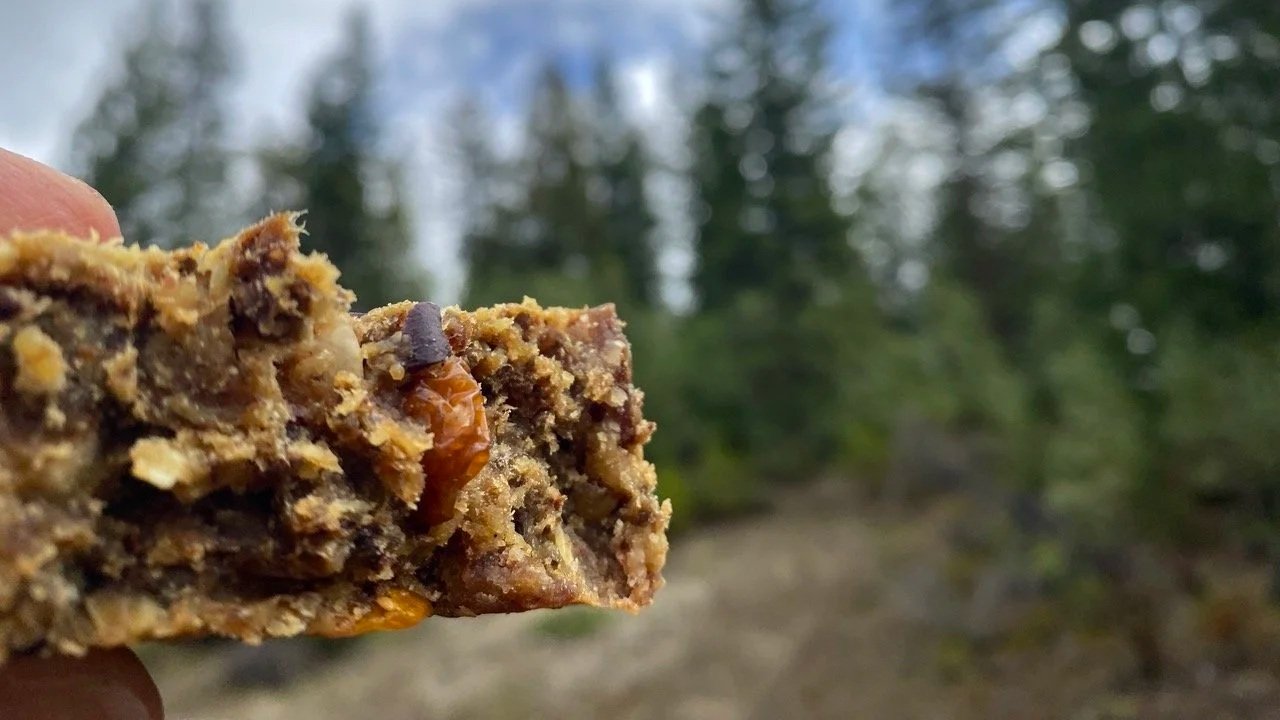
Sassy Not Sweet™ makes Proteins Complete!
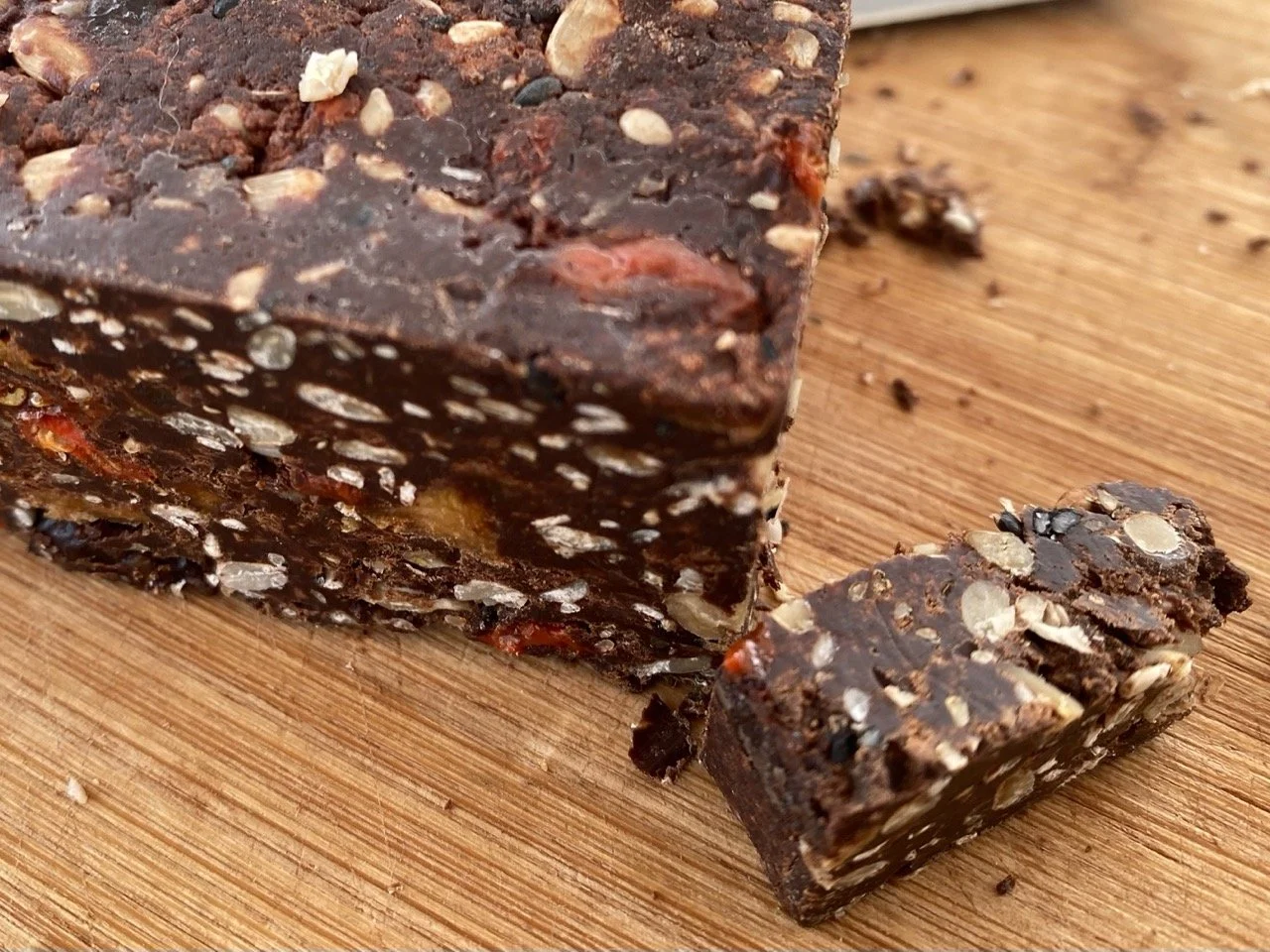
Paleo Brownie- 3 grams protein per ounce-about 10 grams complete protein per bar
